Our claim is composed of four key assertions:
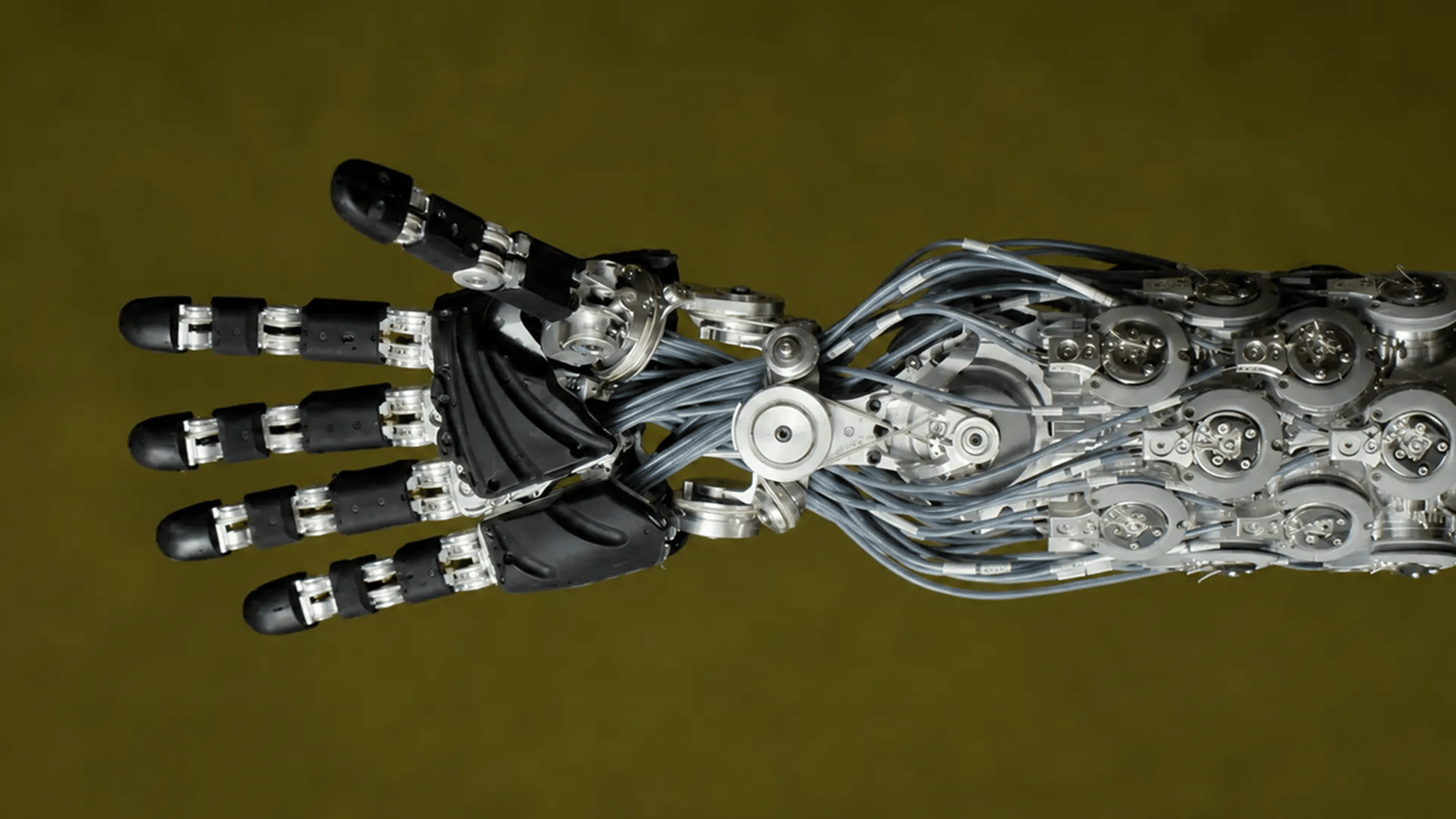
First, that performance gains from Sangtera’s motors will remove the final bottleneck in building dexterous robotic hands. A hundred-fold increase in torque density will enable fingers to become responsive, and will bring the QDD paradigm, the default for robotic legs, to robotic hands. These gains will have an equally profound effect in any application that needs strength in a small form-factor, be it surgical robotics or semiconductor manufacturing.
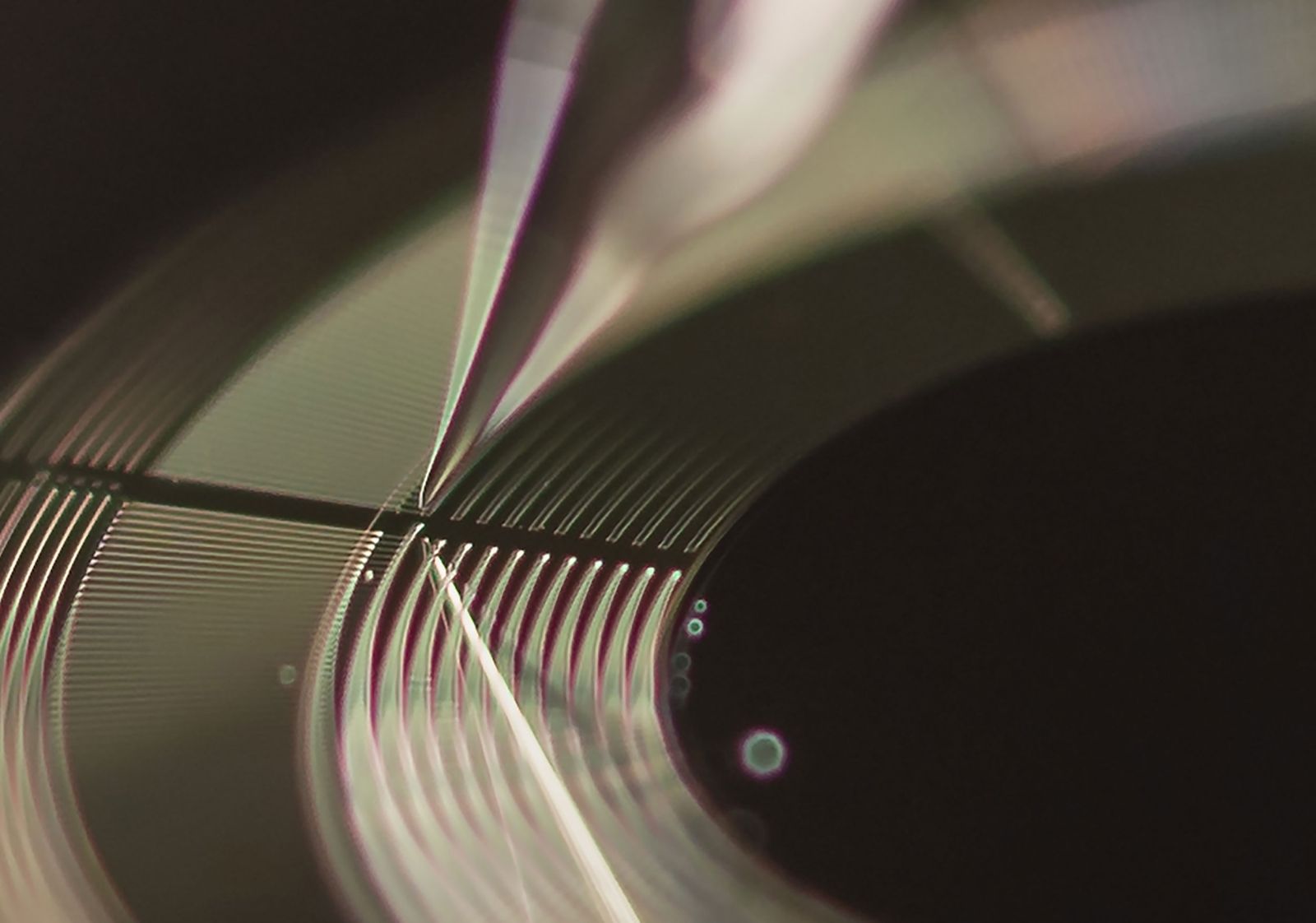
Second, that we will go well beyond the limits, practical and theoretical, of induction motors. Unlike induction motors, we combine microscopic electrostatic forces to generate macroscopic action. Harnessing electrostatics at micro-scale allows us to provide zero-power hold: the ability to hold position without consuming energy.
Third, that the way we make our motors is as important as what they do. We have adapted manufacturing techniques for large electronic displays. Motors can now be made like semiconductor chips. We believe that Moore’s law can be brought from the domain of integrated circuits to powered motion. This also has far-reaching implications for the supply chain of motors, and for America’s ability to establish dominance in the physical realm of robotics—to complement its leadership in the computational realm.
And finally, that our competitive advantage is sustainable. We have applied physics in a novel way—and in a way that is hard to replicate.